

A concert in the Emma Cons Hall to mark Women’s History Month featured “fantastic women composers with such an interesting history”.
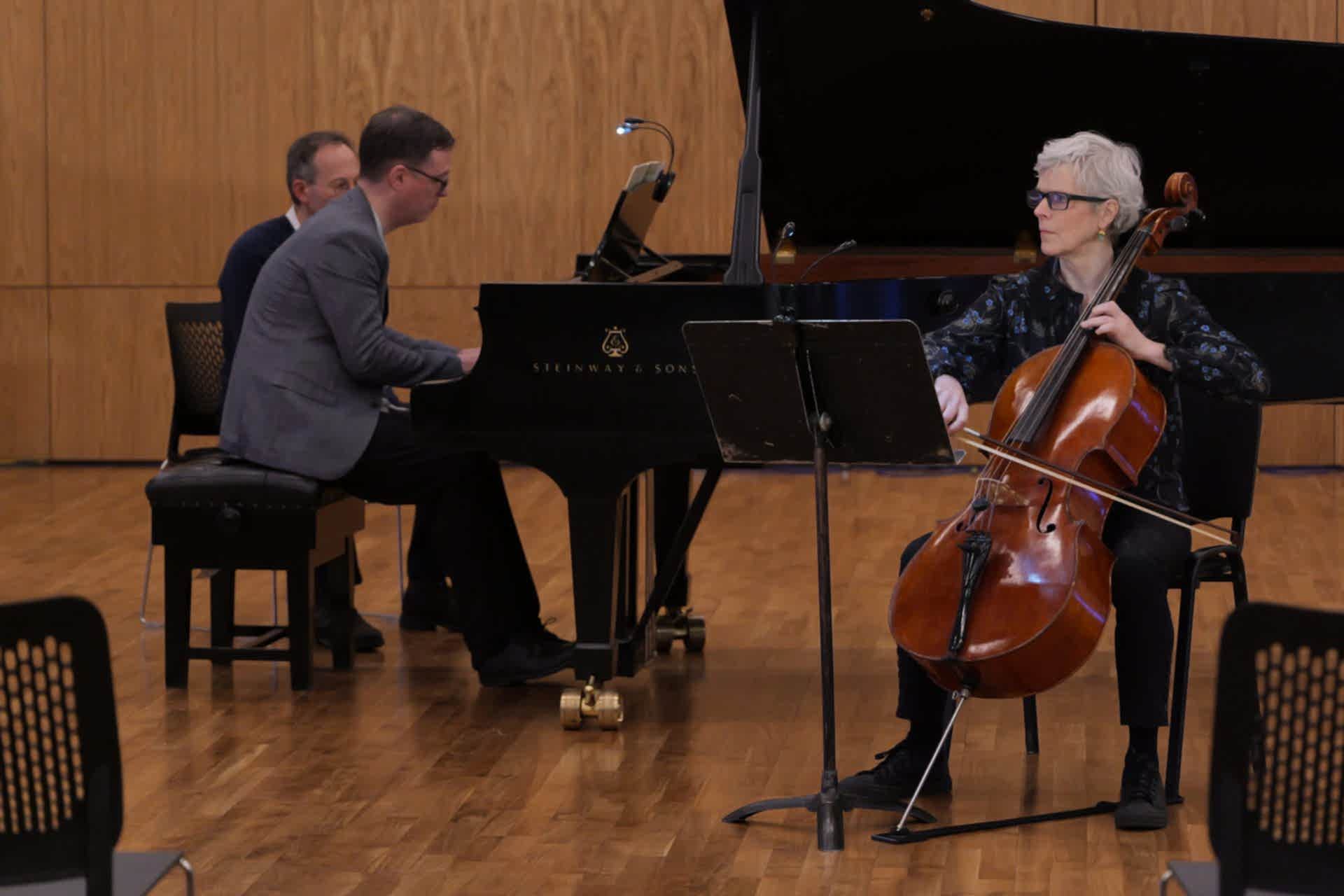
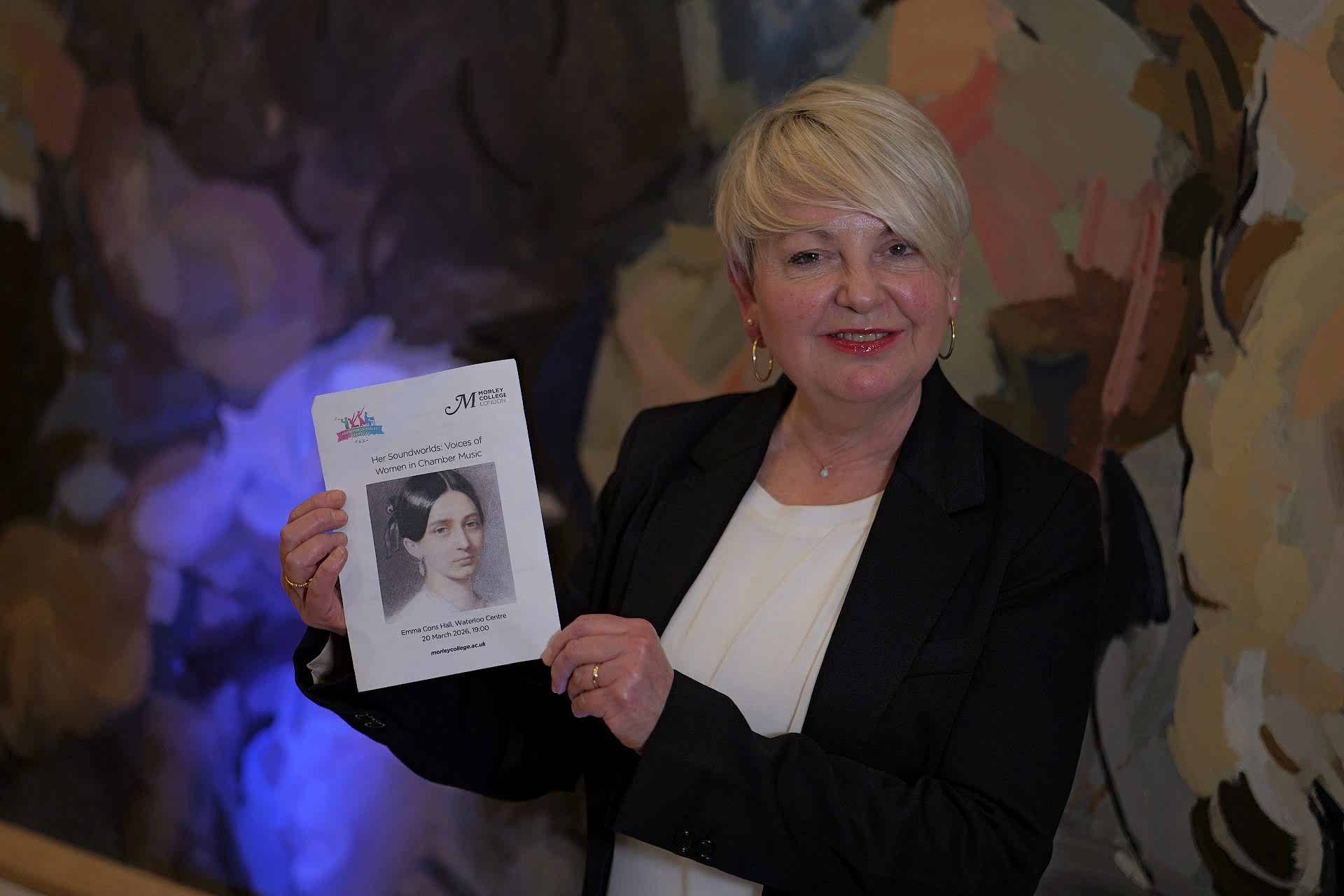
Last Friday, Morley College London presented a concert of work by international women chamber music composers – including a number of pieces which are not widely known. The concert Her Soundworld: Voices of Women in Chamber Music took place in the newly refurbished Emma Cons Hall, performed by players in Morley’s Advanced Chamber Music course. Tutor Kate Ryder describes the programme as “a real cross-section of composers for this concert, not just the more familiar names”.
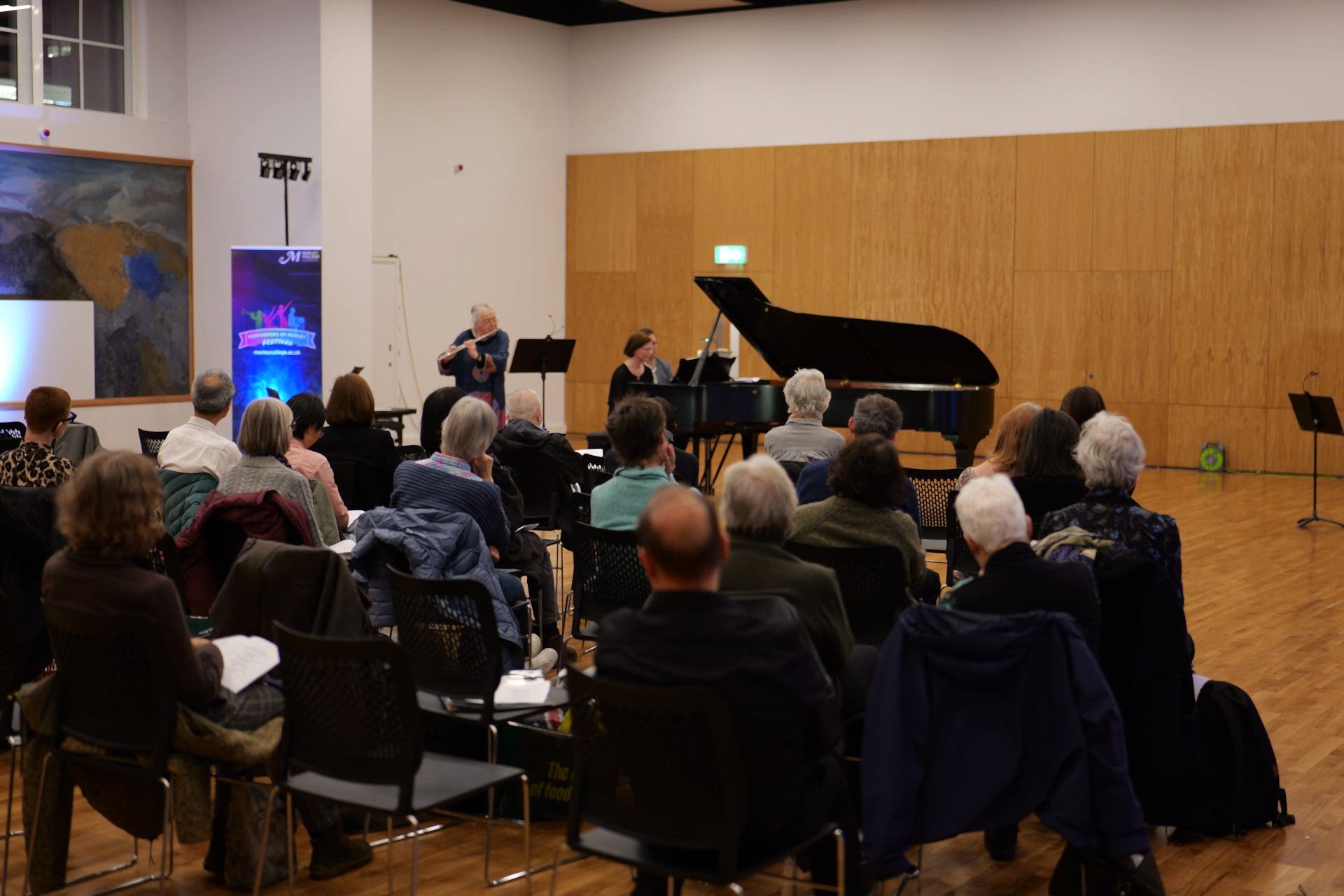
The performance included pieces by Clara Schumann and Fanny Mendelssohn, as well as important British composers. Ryder points out that Dame Ethel Smyth was also “a leading force in the suffragist movement”. Ryder points out that Rebecca Clarke was another key figure, and both of whom have written important cello sonatas, featured in the concert which also included French composers – such as Nadia Boulanger, Lily Boulanger and Germaine Tailleferre.
Kate says that they decided to focus exclusively on women composers this time to mark Women’s History Month at Morley. “We wanted to really shine a spotlight on female composers. And it was so easy… there are just so many fantastic composers out there and it’s such an interesting history!”
Past Masters
Kate says women composers were left out of teaching for a long time. “When I was studying… none of the textbooks mentioned women composers… They were completely disregarded. ” She explains that research into women composers “wasn’t really begun seriously until the 1990s,” and until then, “Women composers had been completely excised from musical history.”
Kate spoke about the limits women composers once faced. While nineteenth century french composer Louise Farrenc wrote several symphonies, others were actively discouraged to compose for larger pieces . Fanny Mendelssohn, she says, “wasn’t allowed to concertize, and could only compose and perform in salon concerts at home. Despite this she created exceptional music”. Ryder adds: “Women weren’t expected to write symphonies or large scale works. That was considered very unladylike, you know.”
Hidden Gems
Kate believes the quality of this music stands on its own. “I see no difference. You know, the only difference is the historical struggles that women had to produce their music and the way it was dismissed.” She is clear that she only programmes music she believes in: “I won’t just put on a piece because it’s by a woman… It has to be of quality and there’s just so much that is.”
Her students are used to playing demanding pieces. “When people come to our concerts, they know that there’s going to be something challenging. It’s not just going to be, you know, pretty salon pieces.”
Ryder says today’s musicians and listeners owe a lot to the women who fought hard for their work to exist. “We couldn’t be where we were without those pioneering women… fighting to for the right to get their music heard 18th and 19th centuries.”
Find out more – Advanced Chamber Music and Piano Accompaniment course
Find out more about women composers in this post.

